Explore our AI-driven illegal honking detection system. Utilizing CRNN neural networks and acoustic cameras, we provide 24/7 urban and campus noise control with over 95% accuracy.
案件詳情
With the acceleration of urbanization, the demand for a quiet and peaceful environment is rapidly growing. Acoustic vehicle honking detection systems are emerging as the standard for modern governance, successfully deployed in diverse environments ranging from university campuses to major international airports.
1. Strong Support from Policies and Standards
The application of this system is not an isolated phenomenon; it is built upon established environmental noise pollution prevention laws and traffic enforcement standards. This legal and technical foundation validates the enforcement data, effectively solving the long-standing dilemma of noise violations being "audible but untraceable."
2. From "Manual Identification" to "Algorithm-Driven" Automation
Traditional noise control relies on manual security patrols, which are highly inefficient.According to general industry regulations, the sound characteristics of vehicle horns are classified as short-duration, stationary signals. Their fundamental frequency ranges from 240Hz to 650Hz, and they are categorized into single-tone, dual-tone, and tri-tone horns. In practice, the sound pressure level of the signal is concentrated in the 1800Hz to 3550Hz range, measuring between 93dB and 110dB at a distance of 2 meters.However, on actual roads, besides low-frequency traffic noise, there are also numerous high-frequency noises similar to honking, such as braking sounds, high-speed engine roars, sirens, and whistles.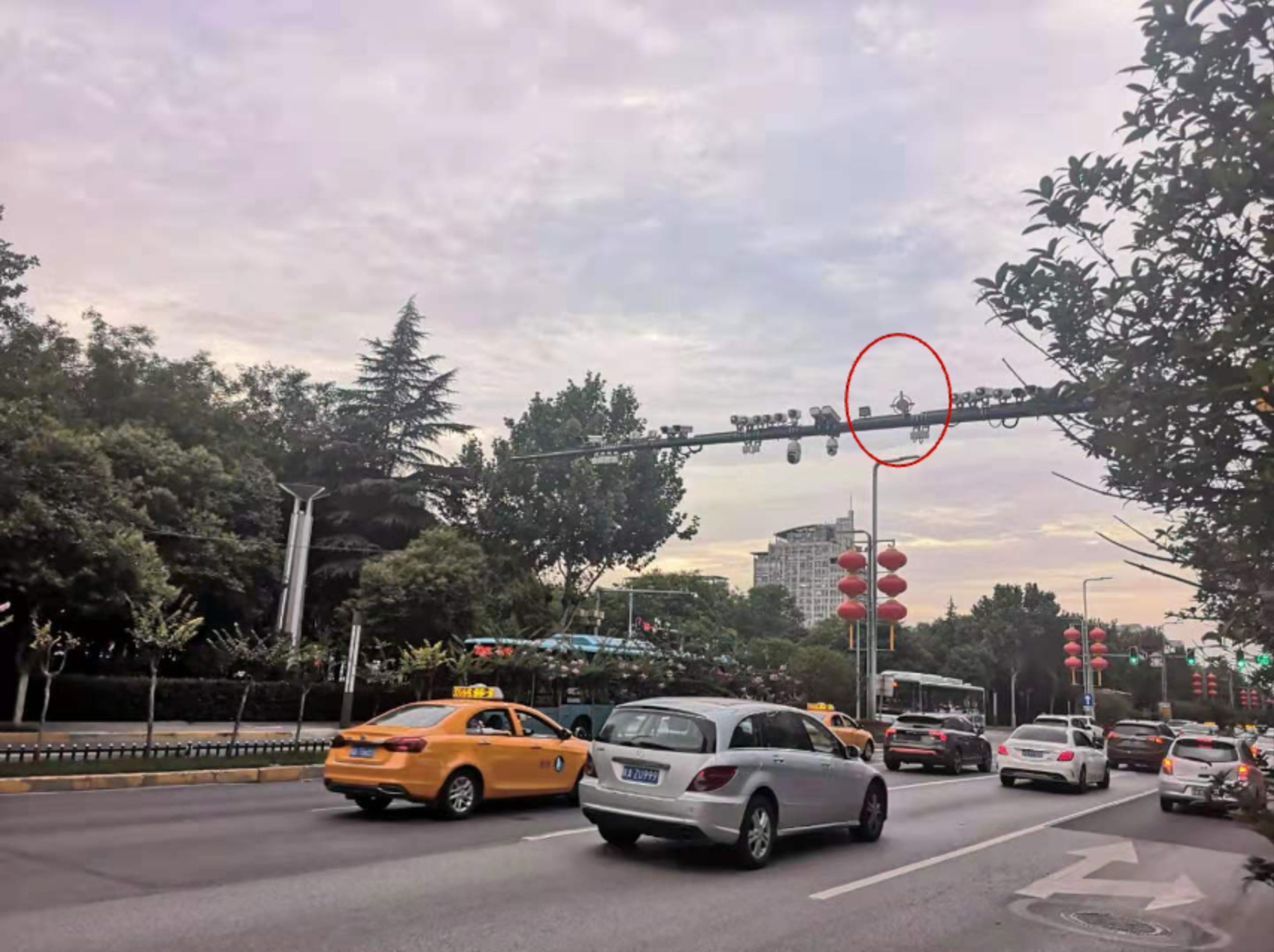 3. HERTZINNO Neural Network Solution for Noise Filter and Recognise Hertzinno Modern solutions have introduced Mel non-linear spectral feature extraction and CRNN (Convolutional Recurrent Neural Network) models.
This technological evolution not only elevates the recognition accuracy to over 95% but also enables 24/7, unmanned, intelligent monitoring.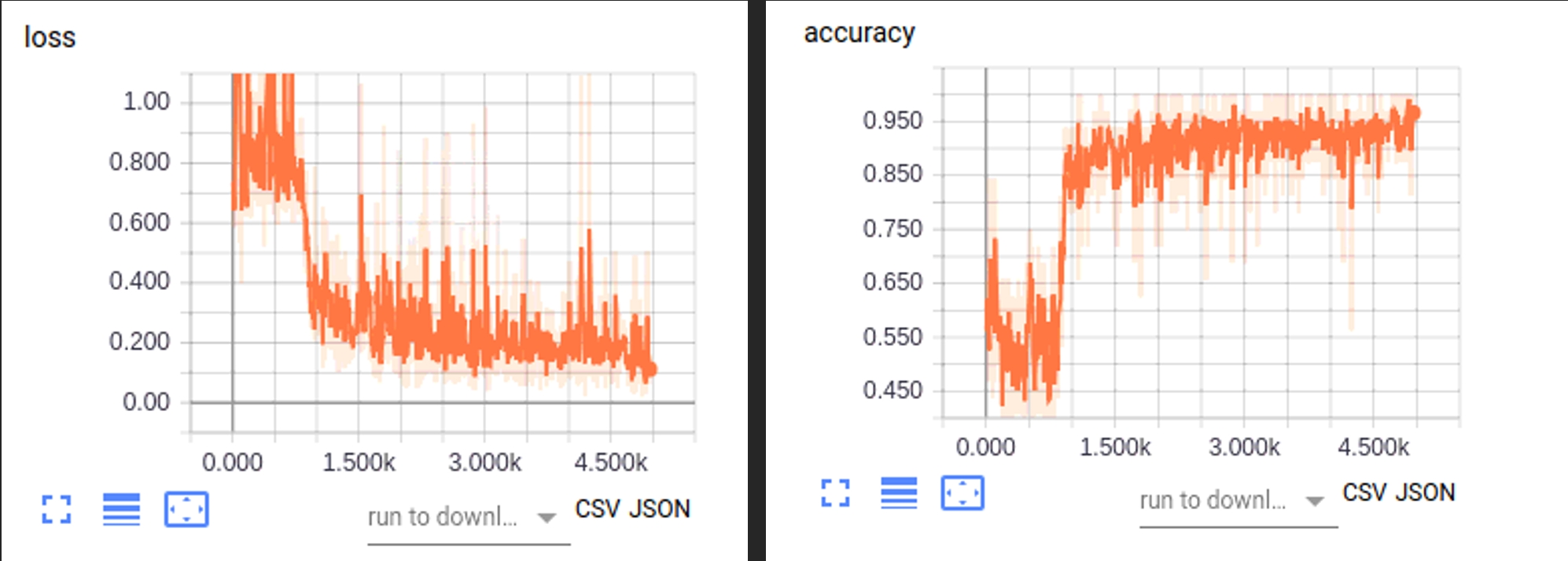
4. Flexible Governance and Public Awareness
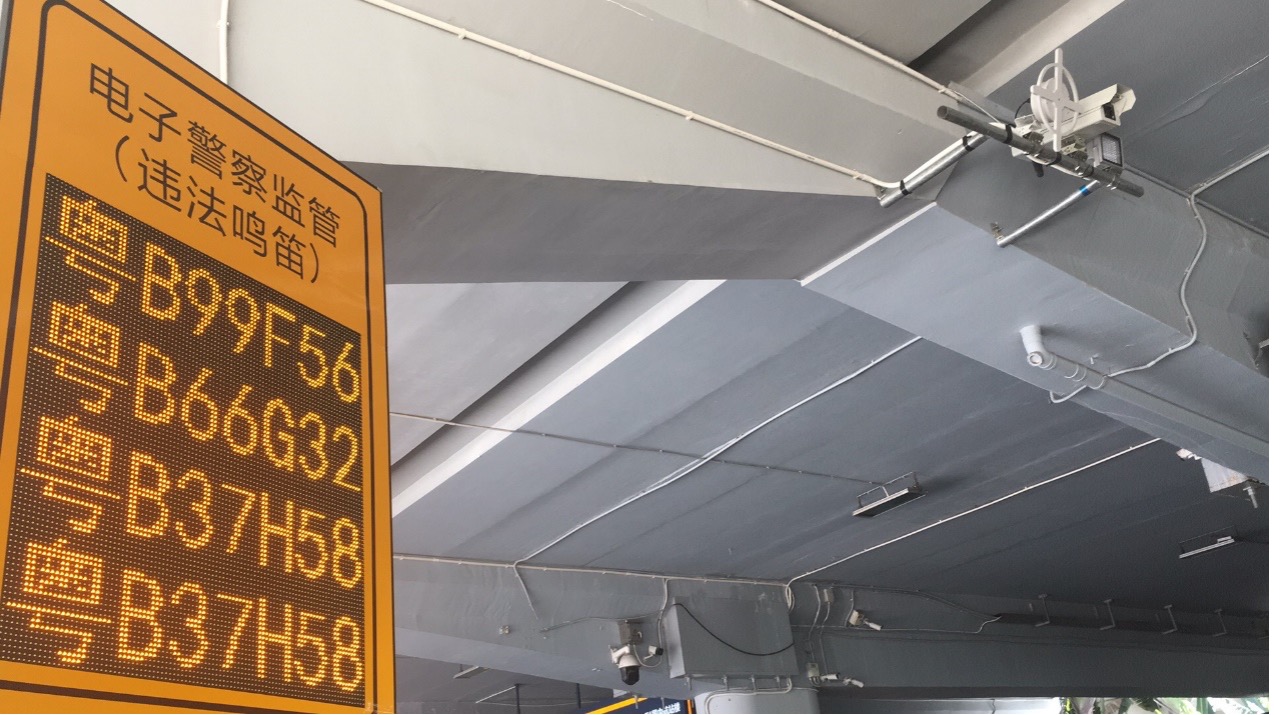
In specific scenarios like university campuses, the solution emphasizes a principle of "prioritizing education over penalization." Through public exposure methods such as LED screen displays of violating license plates, the system deters illegal honking while subtly improving the civil awareness of drivers.
This data-driven, transparent management approach is an effective path toward building harmonious campuses and civilized cities.
More Product detail here


