WELCOME TO OUR BLOG

We're sharing knowledge in the areas which fascinate us the most
click

聲學氣體洩漏檢測:聲學指紋識別如何幫助監測天然氣井

來自 Gustavo June 10th, 2026 68 瀏覽次數

天然氣外洩檢測是石油和天然氣生產中最重要的安全任務之一。氣體洩漏可能發生在氣井採油樹、井口閥門、法蘭、配件、管路連接和其他高壓部件周圍。如果不及早發現,這些洩漏可能會導致天然氣損失、安全事故、環境風險和非計劃維護成本。然而,監測天然氣井並不容易。許多氣井廣泛分佈在田野、山區、沙漠、無人生產場地等偏遠地區。人工巡邏耗時、成本高且難以全天候維修。傳統的氣體偵測方法,例如點式氣體偵測器或基於濃度的監測,也會受到風向、感測器位置、雨水、灰塵和開放室外環境的影響。

聲學氣體洩漏檢測提供了不同的方法。

而不是等待氣體在附近積聚。感測器,聲學指紋監測監聽加壓氣體洩漏產生的聲音和超音波訊號。透過將高靈敏度聲學感測器與邊緣人工智慧演算法相結合,該系統可以識別與洩漏相關的聲學模式,並向天然氣井、井口和管站發送即時警報。

1。為什麼氣體洩漏會產生聲音指紋s


當天然氣從小開口、閥門間隙、法蘭連接、密封缺陷或管道裂縫中逸出時,管道內部與外部環境之間的壓力差會產生高速氣體射流。

這種射流擾亂氣流並產生湍流。同時,氣流、管壁和洩漏邊緣之間的摩擦會產生振動和應力波。這些物理效應會產生聲音和超音波訊號。

正常井口區域的聲學模式與洩漏井口或閥門的聲學模式不同。這種差異就是我們所說的聲學指紋。

對於氣井洩漏偵測,即使人耳難以聽到洩漏或用傳統點感測器難以偵測到洩漏,聲學指紋也可用於識別異常洩漏訊號。

2。什麼是聲學指紋氣體洩漏檢測?


聲學指紋氣體洩漏檢測是一種從工業設備捕獲聲音訊號並使用訊號處理和人工智慧識別來識別洩漏特定特徵的監測方法。

典型的聲學指紋監測系統包括四個關鍵步驟:

1。聲音採集

2。特徵提取

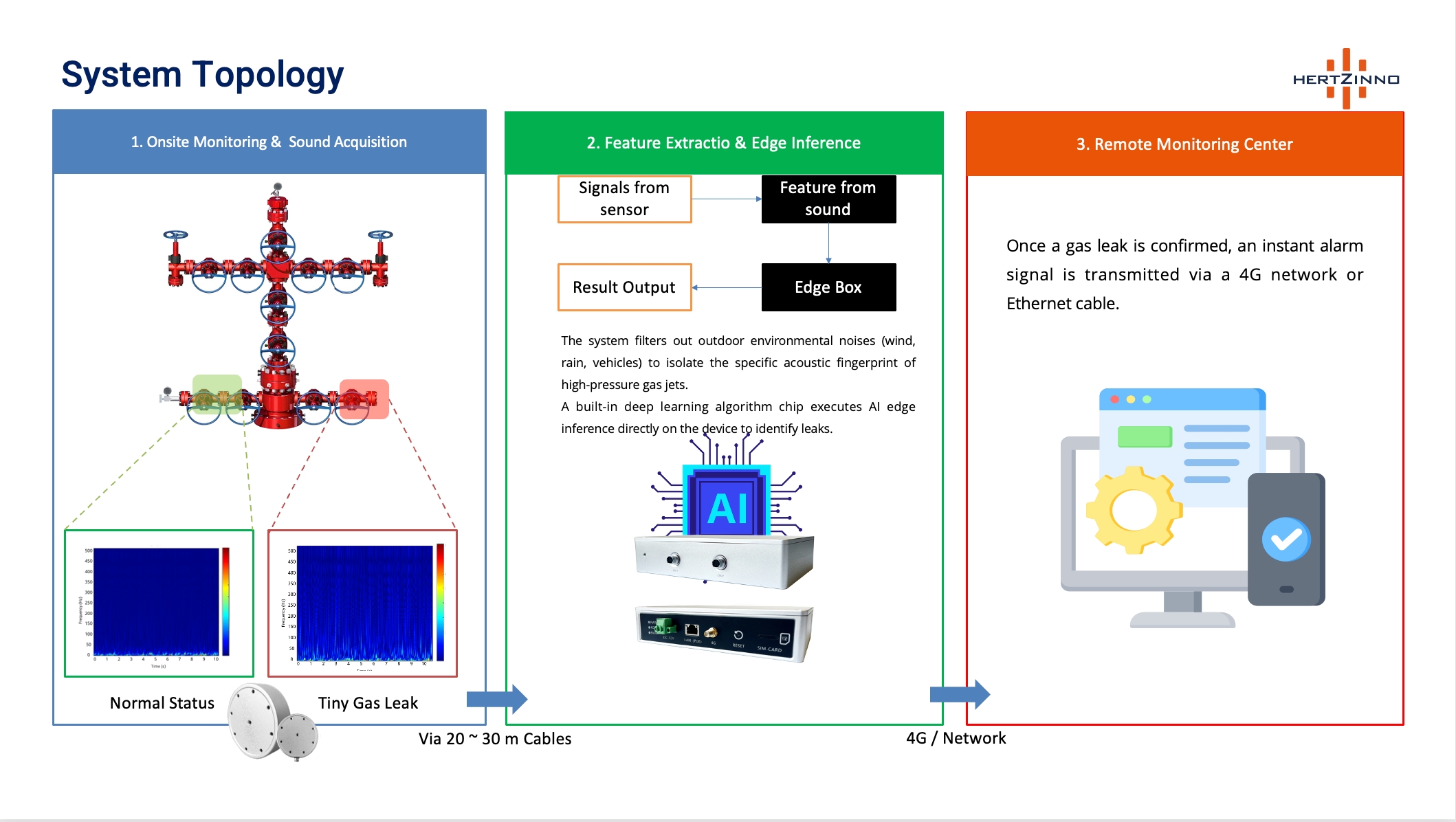
High-sensitivity acoustic sensors continuously capture sound signals around the natural gas well, wellhead Christmas tree, valve area or pipeline connection. These sensors can monitor both audible and ultrasonic frequency ranges, helping detect signals that may not be clearly recognized by human hearing.
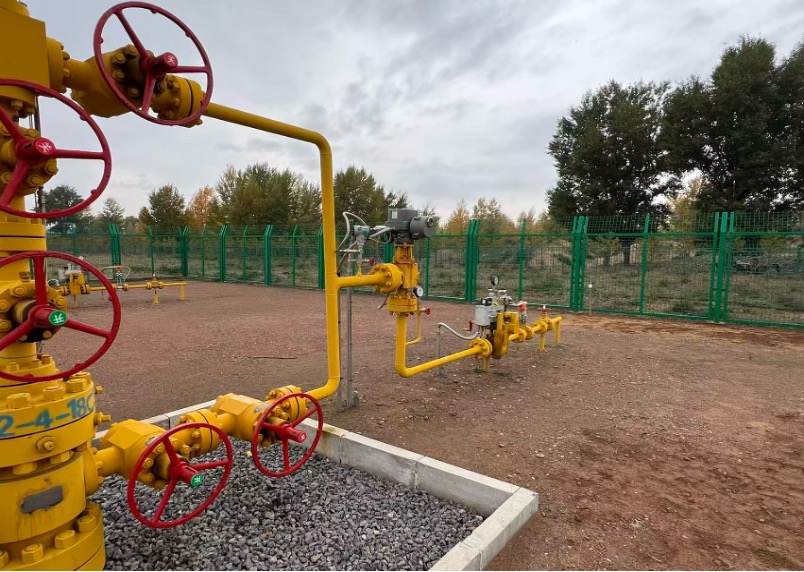
3。邊緣人工智慧推理

The system analyzes the captured sound and extracts acoustic features related to pressurized gas leakage. At the same time, it filters out environmental noise such as wind, rain, insects, vehicles and normal equipment operation.

4。智慧警報器

Instead of relying only on remote cloud analysis, the system performs AI inference directly on the edge device. This allows faster local recognition of leak-related acoustic fingerprints and reduces dependency on network conditions.
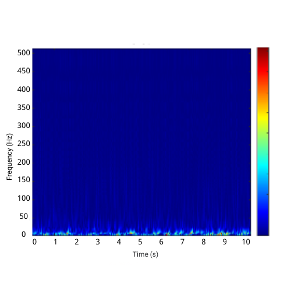
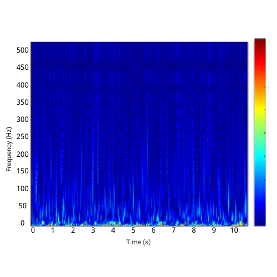
Normal State of Gas StationGas Leak State

3。為什麼聲學偵測對天然氣井有用s

Once a suspected gas leak is identified, the system can send an alarm through 4G, Ethernet or an industrial IoT platform. Operators can receive alerts remotely and respond quickly to potential leak risks.

連續

Natural gas wells are often widely distributed and located far from central control rooms. Sending workers to inspect each well manually is inefficient and may expose personnel to safety risks.
Acoustic gas leak detection is especially suitable for gas wells because it is:
  • 非接觸式c78e7db76f9aabb6274b422c9c非接觸式c78e7db76f9aa462185262627226c
  • 適用於遠端站點
  • 能夠偵測聲音與超音波洩漏訊號c78e7db76f9a4b422c9c能夠偵測聲音與超音波洩漏訊號c78e7db76f9a4621852626262c 78e7db76f9a4621852bb6274b422c9c天然氣井sc78e7db76f9a4621852bb6274b422c 9c氣井聖誕樹
  • 井口閥組件c78e7db76f9a4621852bb62 74b422c9c閥組
  • 法蘭及接頭sc78e7db76f9a46218 52bb6274b422c9c管道連接
  • 集氣站c78e7db76f9a 4621852bb6274b422c9c壓縮機站
Instead of performing only periodic manual inspection, operators can deploy acoustic monitoring devices near wellheads and valve areas to achieve 24/7 leak risk monitoring.
This makes acoustic fingerprint monitoring valuable for:
  • 遠端管道站c78e7 db76f9a4621852bb6274b422c9c無人油氣站
  • 4。氣井採油樹和井口閥門的聲學偵測
  • 氣井採油樹是洩漏監測最重要的區域之一。它包括多個閥門、配件和壓力控制組件。由於這些零件暴露在高壓天然氣和頻繁的操作條件下,密封面、閥桿、連接器或法蘭接頭周圍可能會出現小洩漏。
  • 在這些環境中手動監聽並不可靠。有些洩漏可能很難聽到,尤其是在存在背景噪音的情況下。其他洩漏可能會產生比可聽聲音更強的超音波能量。
  • 聲學指紋監測有助於識別這些與洩漏相關的訊號,並在洩漏發展成更大問題之前提供早期預警。
  • 對於井口採油樹洩漏檢測,聲學監測可以提供幫助操作員:c78e7db76f9a4621852bb6274b4 22c9c連續監控閥門區域
  • 更早偵測異常洩漏聲音c78e7db76f9a4621852bb6274b422c9 c減少人工檢查頻率
  • 支援遠端氣井管理
  • 提高維護團隊的回應時間
  • 加強甲烷洩漏監測和安全控制

5。聲學監測與傳統氣體檢測

傳統氣體檢測器通常測量特定點的氣體濃度。這種方法很有用,但在開放的室外環境中有其限制。風向、感測器高度、感測器距離和洩漏位置都會影響氣體是否到達偵測器。声学监测采用不同的原理。它检测加压泄漏产生的声源。這意味著它可以幫助在氣體濃度在點偵測器累積之前識別洩漏事件。这两种方法并不矛盾。在許多石油和天然氣應用中,聲學監測可用於早期預警,而甲烷感測器、TDLAS儀器或手持式偵測器可用於後續驗證。 c78e7。

操作員派遣巡檢或維修人員。

用氣體驗證甲烷濃度檢測儀器.

6。聲學指紋監控

  • 7的優點。聲學氣體洩漏檢測如何提高 ROI

  • 8。典型應用

  • 聲音指紋氣體洩漏檢測可應用於多種油氣場景,包括:

  • 天然氣井洩漏檢測c78e740252bb採油樹監測

  • 井口閥門洩漏偵測c78e7db76f9a4621852bb 6274b422c9c閥門和法蘭洩漏監測

  • 管道連接洩漏檢測c78e7db 76f9a4621852bb6274b422c9c管道站監測


壓縮機站洩漏監測

遠端氣田安全監測c78e7db76f9a4621852bb62 74b422c9c甲烷洩漏監測

無組織排放風險監控

結論

天然氣外洩偵測對於石油和天然氣安全、甲烷排放控制和數位化現場管理變得越來越重要。對於遠端氣井和井口設備,僅靠人工檢查已不足以滿足連續、即時監測的需求。聲指紋辨識提供了實用且可擴展的解決方案。透過捕捉加壓氣體洩漏產生的聲音和超音波特徵,透過使用邊緣人工智慧來識別與洩漏相關的模式,聲學氣體洩漏檢測可以幫助操作員更有效地監控天然氣井、井口採油樹、閥門和管道連接。

  1. 對於希望改善洩漏檢測、減少人工檢查工作量並加強甲烷監測的石油和天然氣公司來說,聲學指紋監測為更安全、更智慧的氣田運作提供了強有力的途徑。

  2. Remote alarm is sent to the monitoring platform.

  3. Operators dispatch inspection or maintenance personnel.

  4. Methane concentration is verified with gas detection instruments.

  5. Maintenance teams repair and confirm the leak point.

This workflow helps improve both safety response and inspection efficiency.


6. Advantages of Acoustic Fingerprint Monitoring

1. 24/7 Continuous Monitoring
Manual patrols provide only periodic inspection. Acoustic monitoring works continuously, helping operators detect abnormal leak signals day and night.
2. Non-Contact Detection
Acoustic monitoring does not need to contact the gas directly. It detects sound and ultrasonic signals generated by leakage, making it suitable for wellheads, valve areas and open outdoor sites.
3. Better Coverage for Remote Gas Wells
Natural gas wells are often scattered across wide areas. With 4G or Ethernet communication, acoustic monitoring devices can send alarms remotely and reduce the need for frequent on-site inspection.
4. AI Anti-Interference
Outdoor environments contain many background sounds, including wind, rain, insects, vehicles and normal operating noise. AI-based acoustic fingerprint algorithms help distinguish leak-related signals from environmental noise.
5. Faster Leak Response
Once a potential leak is recognized, the system can send an alarm immediately. This helps maintenance teams respond faster and focus on the suspected risk area.
6. Lower Inspection Cost
By reducing manual patrol workload and improving early leak discovery, acoustic monitoring can help lower the cost of gas well safety inspection.

7. How Acoustic Gas Leak Detection Improves ROI

The return on investment of acoustic gas leak detection comes from several areas.
Reduced Manual Inspection Cost
For widely distributed gas wells, manual inspection requires vehicles, personnel, travel time and repeated patrol routes. Acoustic monitoring helps reduce the dependency on frequent manual checks.
Earlier Leak Detection
Early detection helps reduce gas loss and prevents small leaks from becoming larger safety risks.
Lower False Alarm Cost
AI-based acoustic fingerprint recognition can filter common environmental noise and reduce unnecessary field responses.
Better Remote Site Management
With remote alarm transmission, operators can monitor unmanned or distributed gas wells from a central platform.
Improved Safety
Non-contact monitoring reduces the need for workers to approach potentially hazardous areas during early detection.
Stronger Maintenance Prioritization
Acoustic alarms help maintenance teams focus on high-risk locations first, improving repair efficiency and reducing unnecessary troubleshooting.

8. Typical Applications

Acoustic fingerprint gas leak detection can be used in many oil and gas scenarios, including:

  • Natural gas well leak detection

  • Gas well Christmas tree monitoring

  • Wellhead valve leak detection

  • Valve and flange leak monitoring

  • Pipeline connection leak detection

  • Pipeline station monitoring

  • Compressor station leak monitoring

  • Remote gas field safety monitoring

  • Methane leak monitoring

  • Fugitive emission risk monitoring

  • Oil and gas unmanned site monitoring


9. Conclusion

Natural gas leak detection is becoming increasingly important for oil and gas safety, methane emission control and digital field management. For remote gas wells and wellhead equipment, manual inspection alone is no longer enough to meet the demand for continuous, real-time monitoring.

Acoustic fingerprint recognition provides a practical and scalable solution.

By capturing the sound and ultrasonic signatures generated by pressurized gas leakage, and by using edge AI to identify leak-related patterns, acoustic gas leak detection helps operators monitor natural gas wells, wellhead Christmas trees, valves and pipeline connections more efficiently.

For oil and gas companies looking to improve leak detection, reduce manual inspection workload and strengthen methane monitoring, acoustic fingerprint monitoring offers a powerful path toward safer and smarter gas field operations.

Hapev Co-Working Space

The project is about 2,000 square meters, with two floors mainly for leisure. The fabric sofa and lounge chair are more satisfying for customers.

Hapev Co-Working Space

The project is about 2,000 square meters, with two floors mainly for leisure. The fabric sofa and lounge chair are more satisfying for customers.
We use Cookie to improve your online experience. By continuing browsing this website, we assume you agree our use of Cookie.